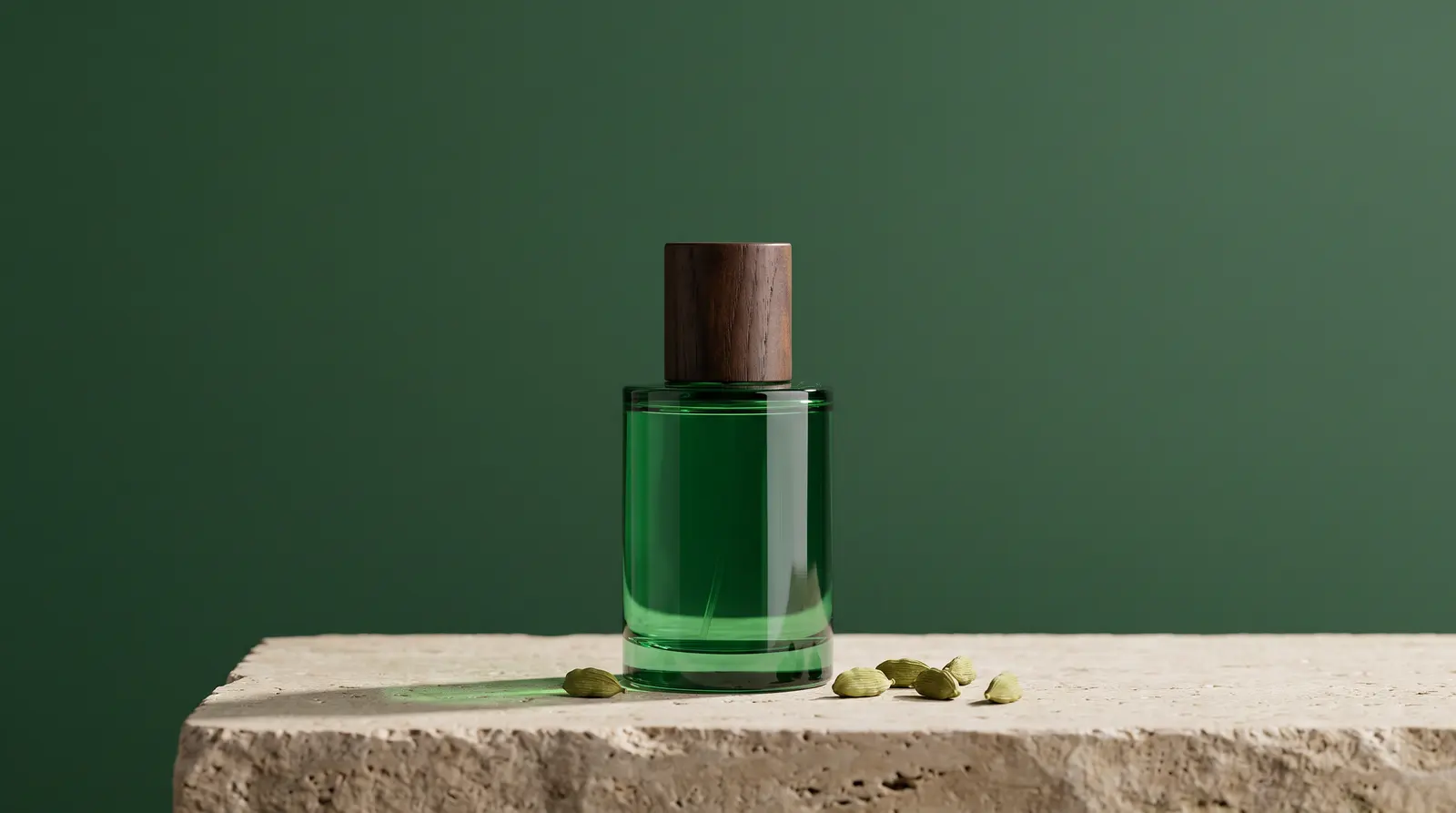
When a perfume description says 'woody amber' or 'floral musk', it is naming the scent family. Knowing the families is the fastest way to understand your own taste: instead of testing a hundred perfumes, you find the family you love and search inside it.
This guide explains the main scent families: what each one smells like, what mood and season it suits, which ones Saudis commonly love, and how to find yours.
What are scent families?
A scent family is a group of smells that share a character, such as woods, flowers or citrus. Most perfumes combine several notes, so each one is placed in its dominant family, sometimes with a second family named beside it.
You do not need to memorise jargon. Learn the nine families below and notice which ones keep appearing in the perfumes you already like.
The Gulf favourites: oud, musk and amber
These three, along with rose and sandalwood, are among the most common scents in Saudi perfume culture:
- Oud (agarwood): a fragrant wood that develops a rich resin at its heart. It smells deep, smoky and woody with some sweetness, and sometimes a leathery edge. It suits evenings, formal occasions and cooler weather, and a little goes a long way in the heat.
- Musk: soft, clean and close to skin, with some warmth and a light powdery feel. Most musk in modern perfume is a lab-made note. It suits every season, the office and everyday wear.
- Amber: warm, sweet and resinous, with a honeyed, powdery touch. In perfumery, amber is a blend of notes such as labdanum, vanilla and benzoin, not a stone. It suits evenings and cooler weather.
Florals and woods: rose, jasmine, sandalwood, cedar and vetiver
These two families overlap in how they are worn: one is elegant and soft, the other calm and steady.
- Rose: rich and smooth, either fresh or deep with a honeyed touch. It suits occasions, weddings and quiet daytime wear.
- Jasmine: sweet, velvety and strong in presence. It gives a perfume an elegant, romantic character.
- Sandalwood: creamy, soft and warm, and often paired with oud to soften it.
- Cedar: dry, clean wood that recalls fresh shavings and pencils, giving a perfume a neat, formal feel.
- Vetiver: earthy, green and dry, refreshing in its dryness and good for anyone who dislikes sweetness.
Spices and sweets: cardamom, saffron, vanilla and caramel
Here are the warm smells we know from the kitchen and from hospitality:
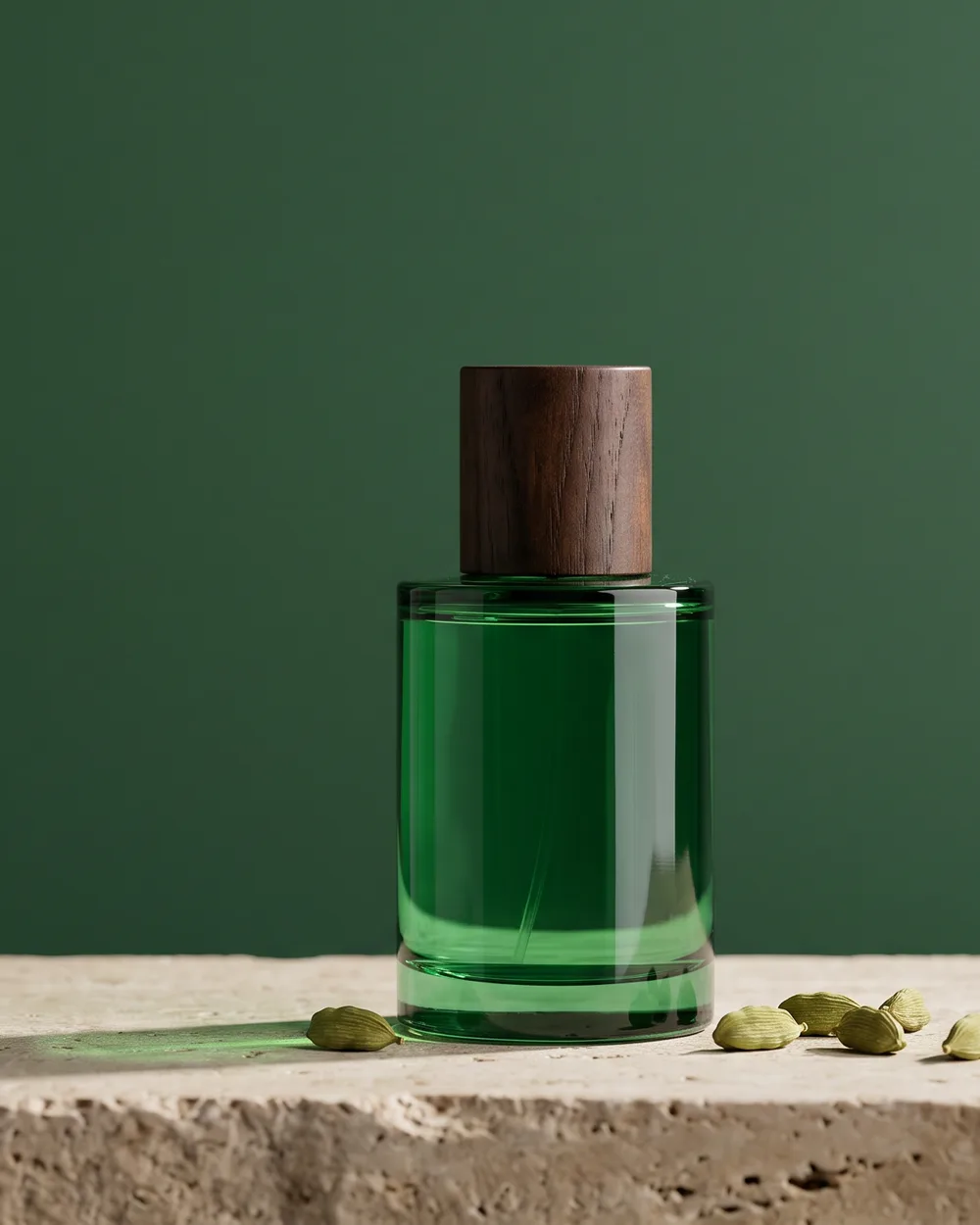
- Cardamom: green, aromatic and fresh, familiar from Arabic coffee. It adds a lively warmth to a perfume.
- Saffron: warm, honeyed and a little leathery with a metallic edge, giving a perfume a luxurious feel. It suits evenings and Ramadan nights.
- Vanilla and caramel: comforting sweetness known as the gourmand family. They suit evenings and cooler weather, but heavy sweetness can feel thick in summer heat.
Citrus, leather and tobacco
Three very different characters, from light and fresh to serious and smoky:
- Fresh citrus: lemon, orange, bergamot and grapefruit. Bright and refreshing, the best fit for heat, daytime and the office, though it usually fades faster than other notes.
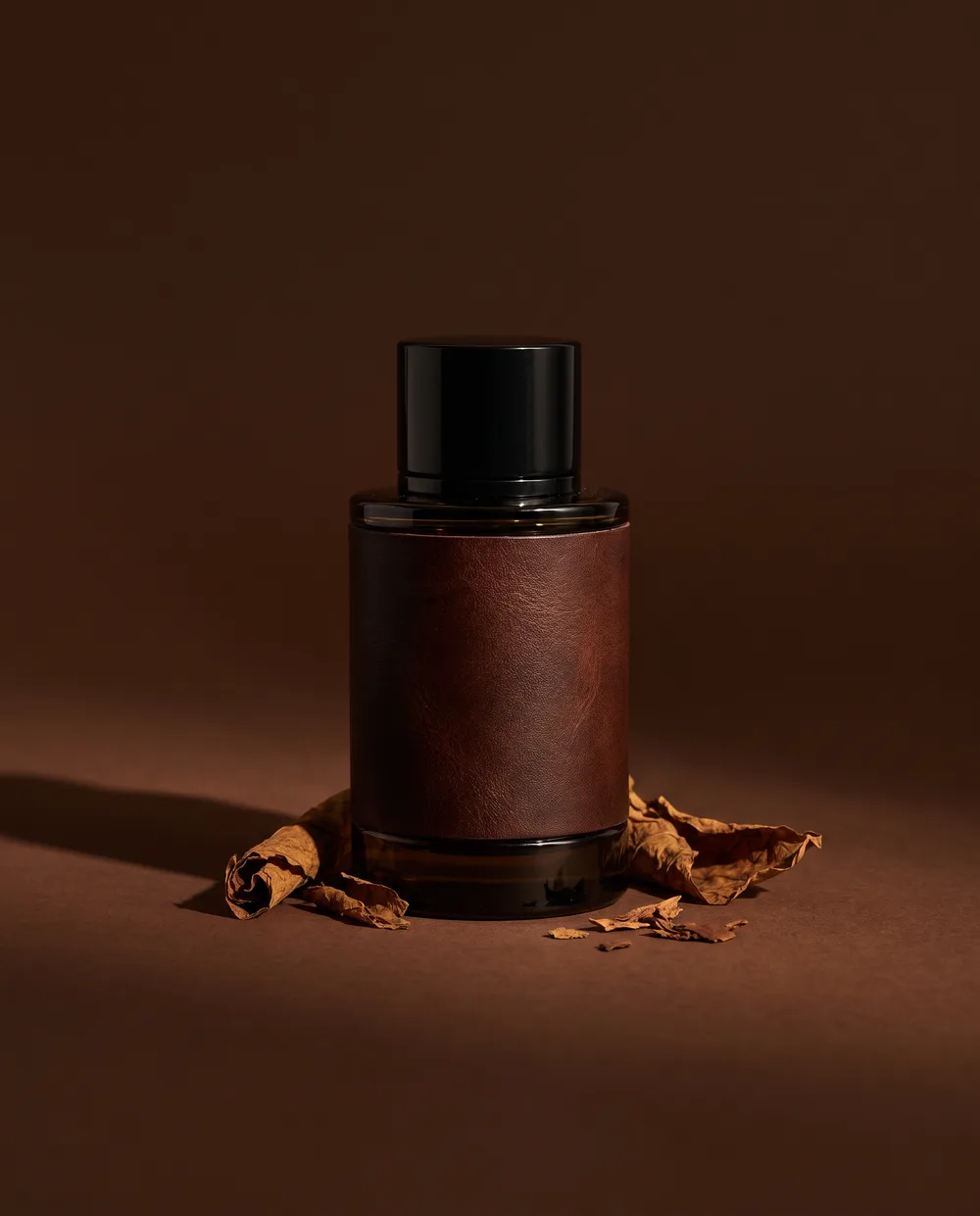
- Leather: dry and smoky, like suede or a new leather bag. It gives a perfume a confident feel and pairs well with oud.
- Tobacco: sweet and dry like cured tobacco leaf with a touch of honey, not the smell of a burning cigarette. It suits evenings and cooler weather.
Which family suits which season and mood?
Season matters here. In the hot Saudi summer, heavy perfumes can feel overpowering, so citrus, light musk and dry woods are easier to wear. In winter and on cool evenings the warm families come alive: oud, amber, spice, leather and gourmand.
Mood guides you too: musk and light woods for calm and work, rose and jasmine for occasions and elegance, oud, amber and leather for a strong presence.
How to find your own scent family
Start with what you already love outside perfume: coffee with cardamom, clean laundry, bakhoor, or a vanilla dessert. Those smells often point to your family. Then follow these steps:
- Look back at old perfumes you finished and loved, read their notes in the product description, and spot the repeats.
- Try one perfume from each family through a discovery set, one a day, and write notes.
- Read the perfume pyramid in the product description, because the base notes are what stays on your skin hours later.
- Once you know your family, widen out slowly into a second one. Many people enjoy a woody musk or a rosy amber.
Key takeaways
- A scent family is a group of smells with a shared character, and it is the fastest way to understand your taste.
- Oud, musk, amber, rose and sandalwood are among the most common scents in the Gulf.
- In summer heat choose citrus and light musk, and for cool evenings oud, amber and spice.
- Try one perfume from each family with a discovery set, and keep notes.
Frequently asked questions
What are the main perfume scent families?
Which scent families do Saudis commonly love?
Which scent families suit summer heat?
How do I tell a perfume's family from its description?
We may earn a commission from partner shops at no extra cost to you.